
Online lie detector test in Manchester
You can take a lie detector test in Manchester by video call, without booking a clinic or travelling anywhere. A certified examiner runs the session, with over twelve years of practice behind the method, and the method holds 95–98% accuracy.
Send us a short note: we call back, clear up doubts and set the topics together.
A lie detector test in Manchester is run remotely on StimulTest technology, which analyses involuntary physiological responses with no sensors attached and works from any laptop or phone with a camera. Around here the requests come mainly from trading and logistics firms, agencies and media teams, hospitality across the city centre, and private clients with family matters. Nobody takes the test without signing consent first. Accuracy sits at 95–98%, the session takes 60 to 150 minutes including the pre-test interview, and written conclusions arrive within 1–3 business days. The remote format costs 205 USDT in any country; a session in a foreign language adds 95 USDT.
Advantages of a lie detector test in Manchester

It works the same in Didsbury, in Salford or in a town out towards Bolton.

Most local examiners travel in on set days; a remote slot usually fits the same week.

A lie detector test in Manchester taken at home means no reception desk and no witnesses.
We work to recognised protocols and read responses nobody can fake at will.
Nothing is attached to you: the system reads the video and voice signal.
We assess each block on its own, so you know precisely where the problem sits.
The design repeats classic polygraph logic — measuring how the body reacts to control stimuli — only without any physical contact.

At the start the examiner records how you respond without pressure.

While the questions run, the software follows every change.

The algorithm then matches the recording against that starting point.

Last of all, the examiner reads the charts and signs the conclusion.
Lie detector test services for Manchester clients
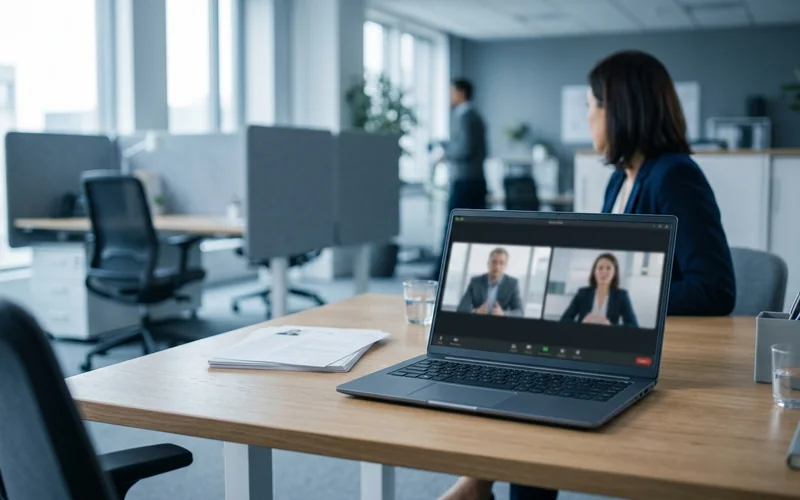
A video session with an examiner, topics agreed in advance and a verdict at the end.
from 205 USDTLearn more →
Formats for businesses and for private clients, with clear timings and terms.
from 205 USDTLearn more →
How a session runs, what gets asked and how far the report goes.
Learn more →
Encrypted case file, limited access and deletion whenever you ask.
Learn more →Online lie detector test in Manchester: how it works and what it costs
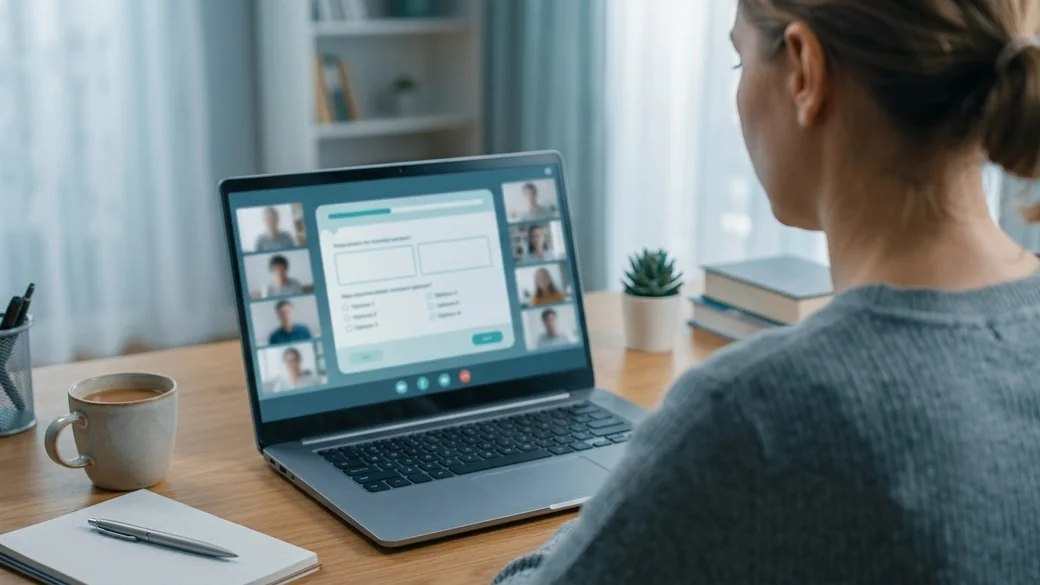
Manchester has fewer resident examiners than the capital, so most providers operate on visiting days: you book, then wait until the examiner is next in the city. When something has just happened at work, that wait is the worst part.
Remote testing removes the queue. A lie detector test in Manchester usually fits inside the same week, runs from your own desk or office, and costs the same whether you are in the city centre or out past Rochdale.
Who orders a lie detector test in Manchester
Generally, a large share of lie detector test enquiries in Manchester comes from trading, warehousing and transport businesses spread around the M60. Where stock moves daily and people sign paperwork in a hurry, a shortfall rarely has one obvious explanation.
Meanwhile, agencies, media teams and hospitality make up the second group, usually after a leak, a till discrepancy or a dispute between partners. And private clients are a constant: questions inside a relationship, arguments about shared money, or an accusation that nobody can prove either way.
What a lie detector test in Manchester involves
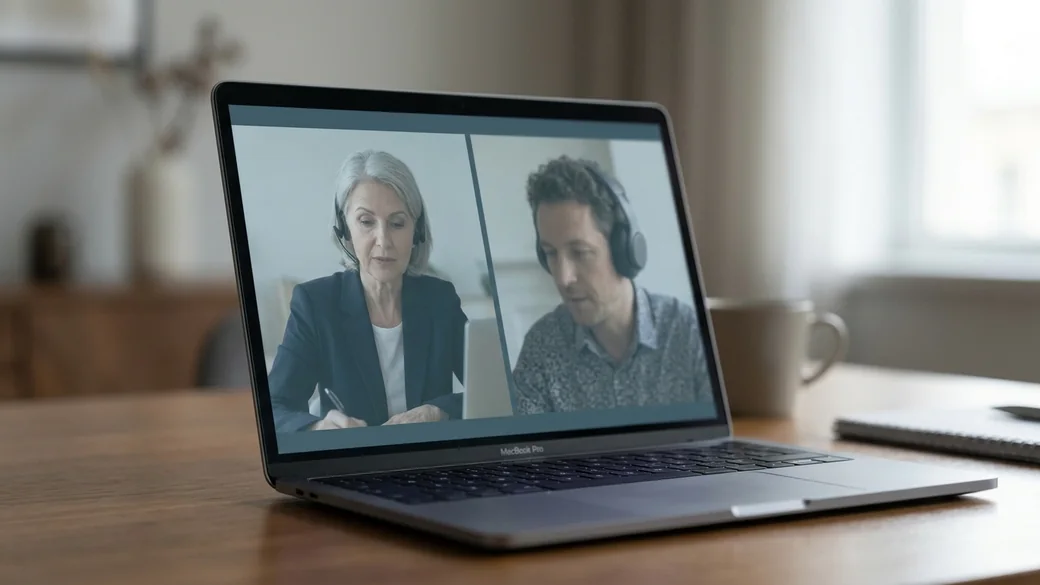
To begin with, we talk on the phone at no cost and go through what happened. If the facts can be turned into closed questions, the examiner drafts a topic list and discusses it with you. We book a slot only after that, including evenings if your shifts demand it.
Then, on the day, you need a steady connection, a camera and a space nobody walks into. The pre-test interview runs twenty to forty minutes, since we read each question aloud first.
Price of a lie detector test in Manchester against the online format
Private examiners across the country ask from roughly £350 to £595 for one person, and Manchester sits in the middle of that range. Add a home visit, a second participant or a rush report and the invoice climbs quickly.
Online the price is 205 USDT for any country, covering the consultation, the question design, the session and the verbal conclusion. A session in a foreign language adds 95 USDT, and the fee for the whole case is quoted free on the first call, before any work starts. The article on what a polygraph costs breaks the figures down.
Workplace investigations in Manchester
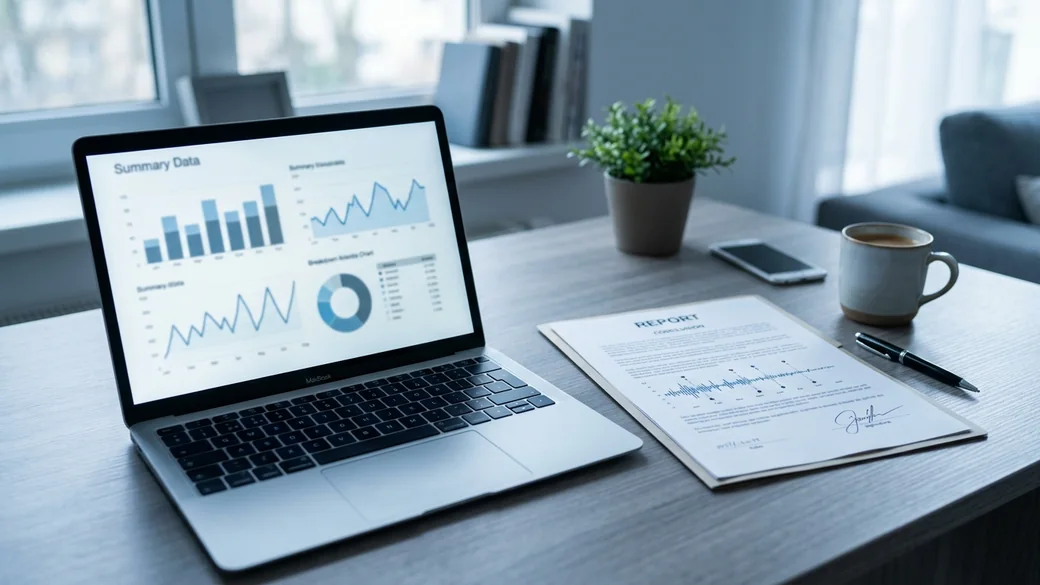
Usually, in a warehouse or a small trading company, losses seldom come from a single cause. There someone may alter delivery notes, goods may leave unrecorded, hours may be claimed twice or a quiet arrangement with a supplier.
That is why we build the topic list from dated episodes with references and amounts, never from questions about honesty in general. We propose the test away from any conversation about wages, and where several people are involved we stagger the appointments through the day.
Family and relationship cases in Manchester
Generally, couples get in touch after months of circling the same conversation. The lie detector is not there to name a culprit; it deals with checkable facts such as a particular meeting, a deleted message or a payment on a given date.
Emotions stay outside the question list, because they produce nothing readable. In other words, the test clarifies what happened and not how someone feels now. Even so, a clear answer on the facts is usually what makes the decision possible.
How we build the question list for a Manchester case
In practice, a workable question allows only yes or no, targets one single fact and avoids judgement. "Did you take cash from the float on the Saturday of the match?" works well. "Are you a trustworthy person?" tells us nothing.
In the pre-test interview we read the whole list through, remove double negatives and fix the dates. Thanks to that, the participant arrives knowing exactly what comes next, which lowers the tension and leaves a cleaner recording.
Bookings we decline in Manchester
We turn some requests down on the first call, and we explain why. Minors without the permission of their guardians stay out, along with people under the influence of substances and anyone in an acute crisis or recovering from a recent cardiac event.
Cases with no facts behind them get the same answer. A question like "will she be honest in future?" has no physiological answer. Reframe it into dated events, however, and it usually becomes testable.
What the report is worth for clients in Manchester
To be straightforward: a polygraph result is not standalone evidence in a UK court. The findings are not admissible as proof of guilt, and any judge weighs the full case file rather than a single document.
In practice, though, the report earns its place. It backs an internal business decision, lets a solicitor check a client’s account before settling on a strategy, and closes a private question. Voluntary participation stays essential throughout.
Getting ready for the session in Manchester
Nothing needs rehearsing, although three things change the quality of the recording. Sleep your normal hours, as tiredness blurs responses. Leave alcohol alone the day before. And eat beforehand, because an empty stomach adds noise.
As for medication, prescribed drugs continue as usual; simply mention it at the start. The same applies to high blood pressure or a chronic condition, which we take into account when setting the pace. The guide on preparing for a polygraph covers everything else.
What you get after a lie detector test in Manchester
As the call ends you hear the verbal conclusion topic by topic, including the points where responses suggest concealment. The fee covers that part and settles most private questions on its own.
Meanwhile, the written document adds the methodology, the reviewed question list and conclusions without double meanings. If one block produces contradictory data, we say so rather than smoothing it over, because a stretched report falls apart under scrutiny.
Confidentiality for Manchester clients
The enquiry itself is private information. We contact no relatives, no employer and no third party, and the recordings stay in a file with restricted access.
Besides that, with business clients we agree in writing who receives the result and in which format. Should you want the files destroyed after delivery, that costs nothing extra.
To understand the method, see how a polygraph works, the piece on taking a polygraph from home and the reasons a polygraph sometimes gets it wrong.