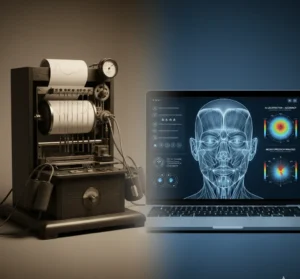
A polygraph test makes even people with nothing to hide feel nervous. That is a natural reaction to the unknown. Yet knowing how to prepare for a polygraph can turn a stressful procedure into an ordinary business meeting. In this article, the specialists at TestStimul share proven experience: how to prepare physically and psychologically for testing, what to do during the session, and which common mistakes to avoid. We will pay special attention to preparing for the online StimulTest format, which lets you take a polygraph remotely from anywhere in the world.

Key fact: Statistically, 87% of people taking a polygraph test for the first time feel nervous. This is completely normal, and an experienced examiner factors a participant's natural stress into the interpretation of the results.
Why preparing for a polygraph matters
Many people assume that if they are telling the truth, they do not need to prepare. That is a common but mistaken belief. Learning how to prepare for a polygraph is not only a question of honesty but also of your physical and emotional state during testing. Fatigue, dehydration, an excess of caffeine, or ordinary anxiety can distort your physiological responses and make the results harder to interpret.
Proper preparation helps you to:
- Lower your baseline stress level, which can otherwise add "noise" to the readings.
- Provide a stable baseline of responses for calibrating the system.
- Increase your confidence and comfort during the procedure.
- Obtain the most accurate and objective result possible.
- Reduce the likelihood of false-positive or false-negative conclusions.
Preparation does not mean "learning the answers" or "figuring out how to fool the system." It is about keeping your body and mind in an optimal state for reliable testing. You can read more about how the technology works on the "How StimulTest works" page.
Preparation timeline: from a week out to the moment of the test
A week before testing
If you know about the check in advance, put that time to good use:
- Familiarize yourself with the procedure. Uncertainty is the main source of anxiety. Read about how testing is conducted, what types of questions are used, and how long the process takes. The more you know, the calmer you will be.
- Ask the client or the specialist questions. You have the right to know the purpose of the test and the general topic of the questions.
- Normalize your sleep schedule. If you are used to going to bed at three in the morning, start gradually shifting your schedule a week ahead.
- Cut back on stimulants. If you drink a lot of coffee or energy drinks, reduce the dose gradually to avoid withdrawal on the day of the test.
48 to 24 hours before testing
- Give up alcohol completely. Even small amounts of alcohol in the day before a check affect cognitive function and emotional reactivity.
- Avoid strong medications. Tranquilizers, antidepressants, sleeping pills, and sedatives significantly alter psychophysiological responses. If you take medication prescribed by a doctor, let the specialist know in advance.
- Do not use recreational substances. Any psychoactive substance makes the test results unreliable.
- Avoid emotional upheaval. Postpone difficult conversations, conflict situations, and watching emotionally heavy content.
Important: If you take doctor-prescribed medication on an ongoing basis (antidepressants, beta-blockers, anti-epileptics, and so on), do not stop taking it on your own. Tell the examiner, and they will factor this in when interpreting the results.
The evening before testing
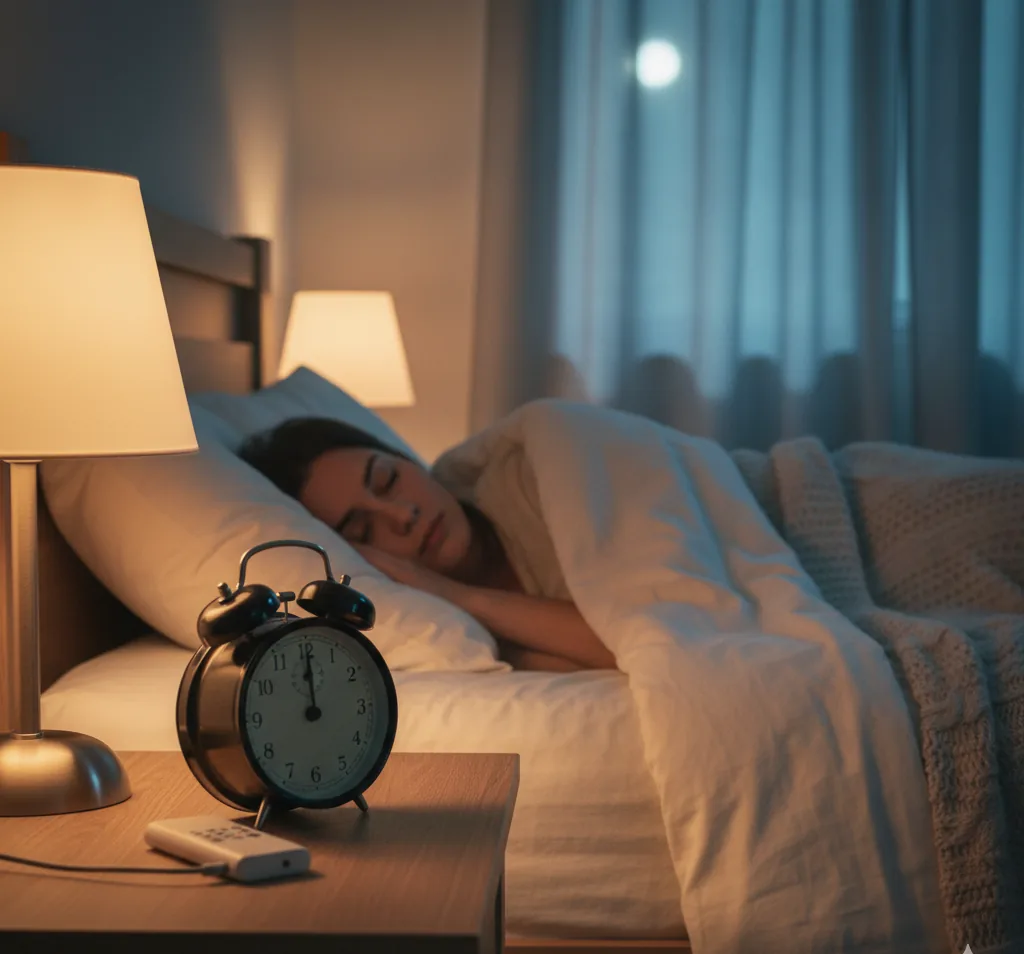
- Go to bed on time. Seven to eight hours of quality sleep is a must. Sleep deprivation raises cortisol levels, increases anxiety, and shifts your baseline of responses.
- Do not cram the answers. Obsessing over possible questions will only make you more anxious. All you need to do is answer honestly, and that is enough.
- Spend the evening calmly. A walk, light reading, meditation, anything that helps you relax.
The morning of the test
- Have a normal breakfast. Hunger lowers concentration and makes you irritable. Eat your usual food, not too heavy but filling.
- Limit caffeine. One cup of coffee is fine if that is your habit. But three or four cups, or energy drinks, are a firm no. Caffeine raises your heart rate and can cause trembling hands and voice.
- Drink enough water. Dehydration affects voice analysis and your general well-being.
- Wear comfortable clothing. Nothing should press, chafe, or restrict movement. Avoid bold patterns, as solid-color clothing works better for video analysis.
- Do not use nicotine right before the session. Nicotine is a powerful stimulant that affects vascular and nervous responses.
Psychological preparation: how to overcome the fear of the polygraph
Fear of the polygraph is one of the most common reasons people look for information about preparation. Paradoxically, it is the very worry about a possible "wrong" reaction that triggers that reaction. A few principles can help break this vicious circle.
Understand how the system works
The polygraph does not read minds. Neither the classic nor the online format can "get inside your head." The system records the physiological changes that arise during an attempt to deceive: facial micro-expressions, changes in vocal timbre, eye movement, and behavioral patterns. If you answer honestly, your body simply does not generate these specific markers of deception.
Know your rights
A polygraph test is a strictly voluntary procedure. You have the right to:
- Decline to take it without giving a reason.
- Stop the session at any moment.
- Ask for an explanation of any question before answering.
- Know the purpose of the test and the general topic of the questions.
- Receive a copy of the results (as agreed with the client).
- Refuse to answer specific questions you consider unacceptable.
Being aware of these rights significantly reduces anxiety. You are not a "suspect under interrogation" but an equal participant in the procedure. Matters of safety and confidentiality are governed by the contract.
Do not try to analyze the questions in advance
One of the most common traps is an endless internal dialogue: "What will they ask? How do I answer correctly? What if I get nervous on an innocent question?" These thoughts only heighten anxiety. Your task is to answer each question honestly on its own, not to build a strategy.
Accept nervousness as normal
A professional examiner expects a participant to be nervous. This is taken into account when calibrating the baseline. In fact, a complete absence of nervousness at the start of a session can look more suspicious than moderate anxiety. So do not try to suppress your emotions, just do not let them take control of you.
Tip: A simple breathing technique before the session: inhale for a count of 4, hold for 4, exhale for 6. Repeat 5 to 7 cycles. This activates the parasympathetic nervous system and lowers anxiety without medication.
What to do during testing: rules of conduct
The moment of the test itself has arrived. How you behave during the session determines the accuracy of the results. Here are specific recommendations from the TestStimul specialists.
Breathe naturally
Do not try to control your breathing "during" your answers. Artificially slowed or accelerated breathing is registered by the system as an anomaly. Just breathe the way you normally do. If you feel short of breath from nerves, take a pause and ask the specialist to wait a few seconds.
Answer briefly and directly
Most questions call for a "yes" or "no" answer. Do not expand on your answers, explain, or make excuses. Long monologues complicate the analysis and drag out the session. If a question requires a detailed answer, the specialist will let you know.
Do not analyze the questions
Do not try to work out the "hidden meaning" of each question. Do not wonder why exactly that was asked. Do not compare the questions with one another. Just listen, understand, and answer. Excessive internal analysis creates a cognitive load that distorts your responses.
Sit comfortably, but do not move too much
Settle into a comfortable position at the start of the session and try to keep it. Avoid:
- Constantly changing your position.
- Touching your face, hair, or clothing.
- Rocking on the chair.
- Shifting your arms or legs.
- Tapping your fingers on the table.
Excessive movement creates "noise" in the video-analysis data. This does not mean you should freeze, just behave naturally.
Look at the camera or the specialist
For the online format this is especially important: the system analyzes facial micro-expressions and eye movement. Constantly looking away, letting your eyes wander around the room, or covering your face with your hands make the algorithms' job harder.
Ask for an explanation if something is unclear
It is better to clarify a question before answering than to answer without understanding it. A misread question can trigger atypical responses that the system registers as a deviation from your baseline.
Fact: Research shows that participants who familiarize themselves with the procedure in advance display a 30 to 40% lower level of baseline stress during testing. This significantly increases the accuracy of the results.
Common mistakes when taking a polygraph
Knowing the most common mistakes is already half the battle. Here is what you should not do before and during testing.
Mistake 1: trying to "fool" the system
The internet is full of tips like "put a tack in your shoe," "clench your sphincter muscles," or "think about a cat while you answer." These methods:
- Were developed for the classic polygraphs of the 1970s.
- Are known to every qualified examiner.
- Are easily detected by a multichannel analysis system.
- Look like an attempt at countermeasures, which is a separate marker for the specialist.
The only reliable strategy is honesty. You can read more about why fooling the system is virtually impossible on the "How StimulTest works" page.
Mistake 2: a sleepless night before the check
Some people are so nervous that they cannot fall asleep. Others deliberately stay awake, believing that a tired body "will react less." In reality, chronic fatigue:
- Increases emotional lability, making responses unpredictable.
- Impairs cognitive function, so you may fail to understand a question.
- Shifts the baseline, complicating calibration.
- Raises the likelihood of a false-positive result.
Mistake 3: too much caffeine or stimulants
"Drink three espressos to stay alert" is a common and dangerous strategy. Caffeine in large doses mimics the symptoms of anxiety: trembling, a racing heartbeat, sweating, a restless gaze. The system may interpret these signs as a stress response to a question.
Mistake 4: taking sedatives
The opposite extreme is trying to "calm down" with pills. Sedatives suppress your responses, make them atypical, and complicate the analysis. On top of that, an experienced specialist will notice signs of medication influence from specific behavioral markers.
Mistake 5: being overly aware of the "right" answers
When a person knows what answer they are "supposed" to give and tries to "play" it, a cognitive conflict arises between the genuine reaction and the controlled behavior. That very conflict is what the polygraph registers. Paradoxically, overpreparing for the "right" answers works against you.
Mistake 6: ignoring physical needs
Hunger, thirst, needing the restroom, uncomfortable clothing, all of this creates background discomfort that affects your physiological responses. Take care of all your basic needs before the session begins.
Important: If you feel you are not in a state to take the test today (feeling unwell, extreme stress, a sleepless night), tell the specialist. Rescheduling the session for another day is better than an unreliable result.
Preparing for the online StimulTest polygraph: features of the remote format
The online testing format has its own technical requirements that you need to plan for in advance. StimulTest works over a video conference, where the specialist runs the session while the system analyzes your responses in real time. Here is what you need to prepare.
Technical equipment
- A computer or laptop with a webcam and microphone. A tablet or phone is not the best choice because of the small screen and unstable positioning.
- A stable internet connection. A speed of at least 10 Mbps is recommended. An intermittent connection can disrupt the session.
- An up-to-date web browser (Chrome, Firefox, Edge).
- Headphones or a headset are recommended for better sound quality.
The room
- Quiet. Choose a room free of outside noise: turn off the TV, ask family members not to disturb you, and remove pets.
- Lighting. Even frontal light is the single most important factor for analyzing micro-expressions. A desk lamp in front of your face or a ring light is ideal. Avoid backlighting (a window behind you).
- A neutral background. A solid-color wall behind you or a blurred background.
- Privacy. No other people should be in the room during the session.
Duration and scheduling
A typical StimulTest session takes 20 to 30 minutes for basic testing and up to 1.5 hours for an extended one. Plan your time so that you are not rushed or distracted. Turn off notifications on your phone and computer.
Tip: Make a test video call the day before the session. Check how your face looks on camera: is there enough light, are there any shadows, is the image clear? This saves time on the technical briefing and adds confidence.
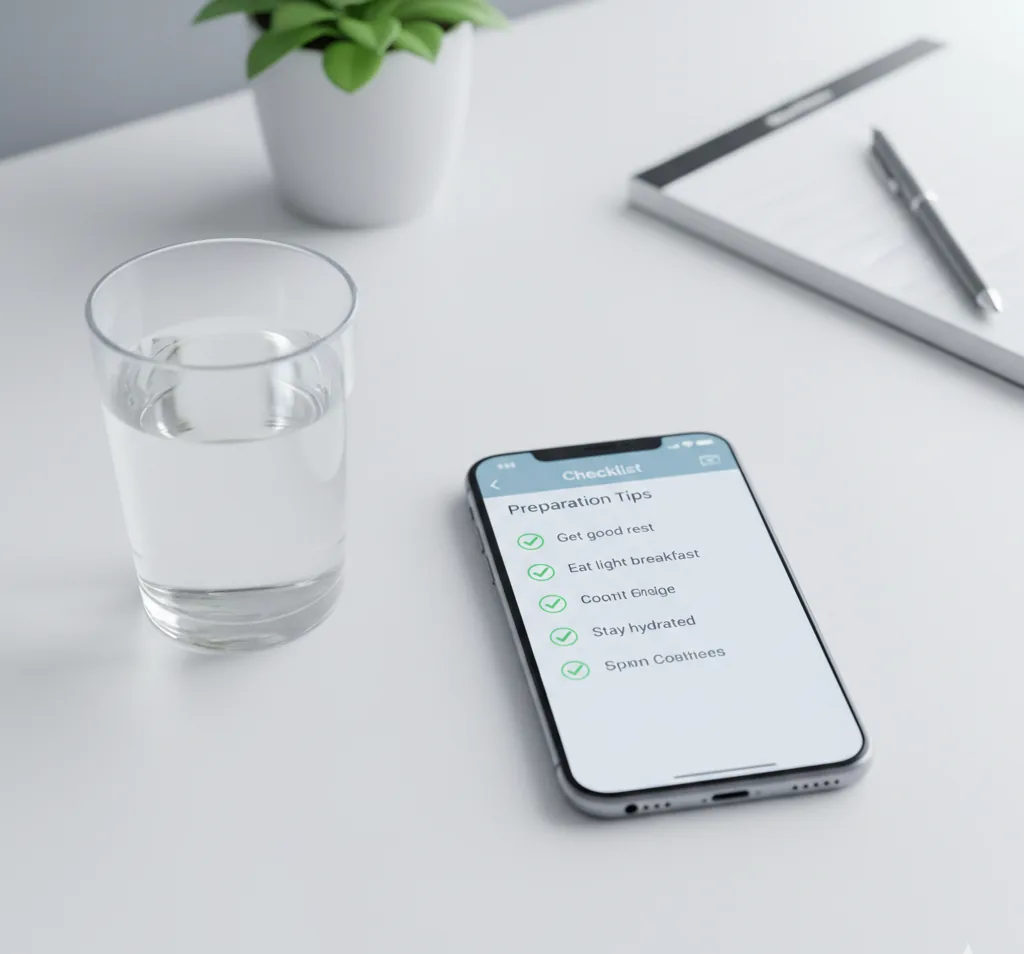
Polygraph preparation checklist
Save this list and check off every item before testing:
A week out
- Familiarize yourself with the testing procedure.
- Ask the specialist or the client questions.
- Normalize your sleep schedule.
- Gradually reduce your intake of stimulants.
24 to 48 hours out
- Give up alcohol.
- Avoid strong medications (or tell the specialist you are taking them).
- Avoid emotional upheaval and conflict.
- Get a good night's sleep (7 to 8 hours).
The morning of the test
- Have a normal breakfast.
- Limit caffeine (one cup at most).
- Drink enough water.
- Wear comfortable, solid-color clothing.
- Do not smoke right before the session.
For the online format (additional)
- Check your computer, camera, and microphone.
- Check your internet speed.
- Prepare a quiet, well-lit room.
- Ensure frontal lighting on your face.
- Warn your household not to disturb you.
- Turn off notifications on all devices.
- Set aside 30 to 90 minutes without interruptions.
During the session
- Breathe naturally.
- Answer briefly: "yes" or "no."
- Do not analyze the questions, just answer honestly.
- Sit comfortably, without moving too much.
- Look at the camera or the specialist.
- Ask for an explanation if a question is unclear.
How calibration works and why nervousness will not affect the result
One of the most common fears is: "I'll be nervous, and the polygraph will show that I'm lying." This is a fundamental misunderstanding of how the modern polygraph works.
Before the main testing, the system performs a baseline calibration. You are asked a series of neutral questions with obvious answers: "Is your name [your name]?" "Is it [the season] now?" "Are you currently in Ukraine?" During this phase, the system records your individual level of nervousness, your typical facial activity, and the features of your voice and behavior.
Then, during the target questions, the system compares your responses not against some abstract norm but against your personal baseline. In other words, if you are nervous throughout the whole session, that is your norm, and it is taken into account. What interests the system is deviations from your baseline, not absolute readings.
Fact: Modern multichannel systems analyze responses across 4 channels at once: facial micro-expressions, eye movement, voice analysis, and behavioral patterns. Controlling all of these channels simultaneously is physically impossible for a person.
Special cases: when preparation calls for extra attention
Testing during hiring
Screening candidates is one of the most common reasons for taking a polygraph. If you are being tested as part of a corporate screening, know this: the questions will concern your honesty, freedom from addictions, prior experience, and loyalty. There should be no personal or provocative questions.
Testing at the initiative of a partner or family
For private individuals, the polygraph is often tied to questions of trust in a relationship. In that case the emotional backdrop is usually higher. Our recommendation: focus on the fact that an honest answer is the best way to resolve the conflict, whatever its nature.
Testing for government agencies
Checks for government departments usually follow a standardized format. The questions are approved in advance and the procedure is formalized. Knowing this generally lowers anxiety.
Frequently asked questions about preparing for a polygraph
Can I take a polygraph if I'm very nervous?
Yes. Nervousness is a normal reaction that is factored into the calibration. The polygraph does not register nervousness in general but specific changes in responses to particular questions. If your nervousness is steady throughout the whole session, it becomes part of your baseline.
What happens if I didn't get enough sleep before the test?
Sleep deprivation lowers the quality of the results. If you realize your condition is critical, it is better to ask to reschedule the session. The specialist is just as interested in reliable results as you are.
Do I have to tell the truth on ALL the questions?
Yes. Any attempt at deception is registered by the system. Honesty is the only effective strategy. If a question seems unacceptable, you have the right to decline to answer it.
How long are the results kept?
Results are provided as a secure PDF report within 24 to 48 hours after the session. All data is stored in accordance with the confidentiality policy and applicable law.
Can I take the test again?
Yes, but it is recommended to allow an interval of at least 48 to 72 hours between sessions to avoid the effect of getting used to the questions.
Bottom line: the main rule for passing a polygraph successfully
If you boil this whole article down to a single sentence, it is this: be honest and well-rested. No "technique" for deception works against modern multichannel systems. No amount of coffee replaces a full night's sleep. No "right" answer is better than a truthful one.
Preparing for a polygraph is not about "studying the right answers." It is about caring for your physical and psychological state so that your body reflects your honesty as accurately as possible. To learn more about the online polygraph and our services, the TestStimul specialists are always ready to answer any question about the procedure, even before you decide to take the test.
Prepare with confidence and take your polygraph without stress. Certified examiner, full confidentiality, online and in person. Leave a request, and we reply within 15 minutes.
Latest articles