
Online lie detector test in Birmingham
You can book a lie detector test in Birmingham by video call, with no clinic to find and no day off to book. A certified examiner guides the session, with over twelve years of practice behind the method, at 95–98% accuracy.
Tell us briefly what happened: we call back, answer questions and agree the topics.
A lie detector test in Birmingham runs remotely through StimulTest technology, which measures involuntary physiological responses without any sensors and works on any device with a camera. In the Midlands the format is mostly chosen by manufacturers and logistics operators, wholesale and retail businesses, family firms, and private clients dealing with domestic disputes. Consent goes on paper before anything starts. Accuracy reaches 95–98%, the session runs 60 to 150 minutes including the pre-test interview, and the written report follows within 1–3 business days. The online price is 205 USDT for any country, and 95 USDT more when the session runs in a foreign language.
Why an online lie detector test suits Birmingham

It works the same in Edgbaston, in Solihull or in a unit out by the motorway.

You skip the ring road and the parking, and the verbal result arrives the same day.
A lie detector test in Birmingham taken at home keeps the matter inside four walls.
We follow established protocols and read responses nobody can simulate on purpose.
No cuffs, no electrodes: the system relies on the camera and microphone signal.
We judge every block separately, so the outcome leaves no grey areas.
The scheme repeats the logic of a conventional polygraph — tracking how the body answers control stimuli — except we attach nothing to the participant.

To begin with, the examiner records your responses at rest.

As the question list proceeds, the software logs each variation.

The algorithm compares every answer with that reference and flags deviations.

Finally the examiner interprets the data and writes up the findings.
Lie detector test services for Birmingham clients
A guided remote session, topics agreed beforehand and a verdict as it closes.
from 205 USDTLearn more →
Arrangements for companies and for private clients, with timings and conditions.
from 205 USDTLearn more →
What we cover, how long it takes and what the written report includes.
Learn more →
Encryption, restricted access and removal of the file on request.
Learn more →Online lie detector test in Birmingham: process, cost and limits
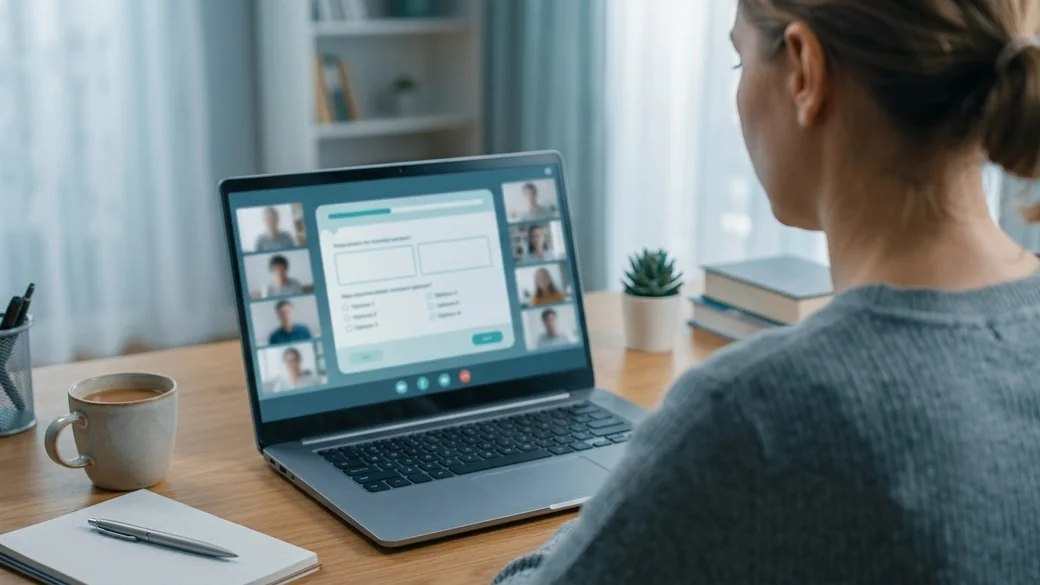
Birmingham sits at the centre of the motorway network, which is convenient for freight and awkward for appointments. Most private providers here work from serviced offices on fixed days, so a booking often means waiting for the examiner to come back round.
Testing by video removes that dependency. A lie detector test in Birmingham can be set up within days, taken from the office or the kitchen table, and the fee does not change whether you are in the city or out in Worcestershire.
Who requests a lie detector test in Birmingham
Manufacturing and distribution dominate the lie detector test enquiries in Birmingham. Units around the city handle stock, tooling and deliveries all day, and when something walks out the door the paperwork rarely points at one person.
Next come wholesale, retail and family-run firms, often after a till shortfall or a dispute between relatives who also happen to be partners. Private clients make up the rest, usually with questions inside a marriage or about money lent within the family.
How a lie detector test in Birmingham works
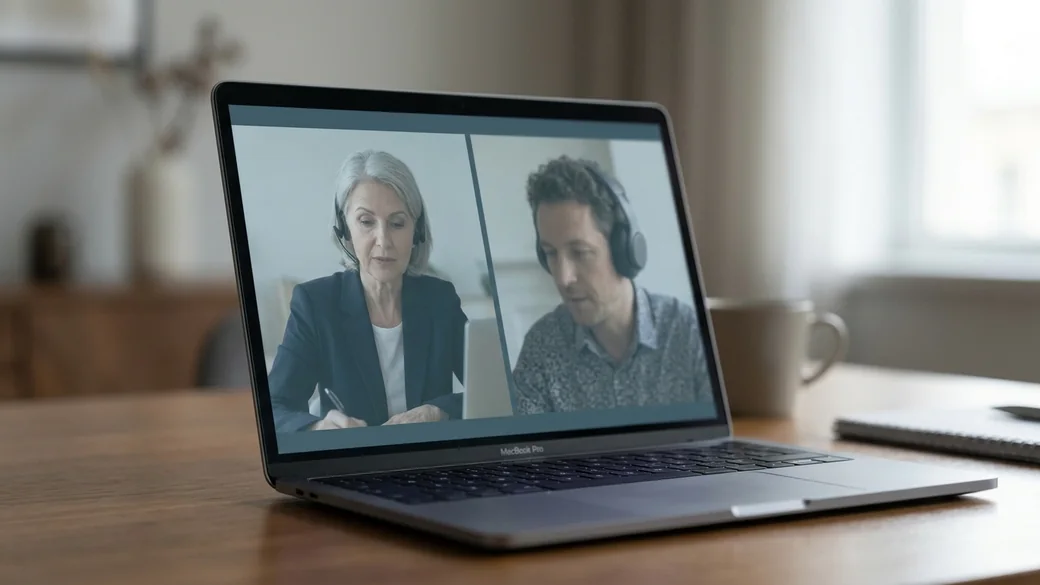
To begin with, a free call in which you set out what happened. If the events translate into closed questions, the examiner prepares a topic list and goes over it with you. The slot is booked afterwards, early or late if shift patterns demand it.
Then, on the day, you need three things: a reliable connection, a camera and a space nobody enters. After that, the pre-test interview lasts twenty to forty minutes, because we read out every question first.
What a polygraph costs in Birmingham and online
Private examiners quote from around £350 to £595 for a single subject, and Birmingham generally lands inside that band. Extra participants, a visit to your premises or a same-week report all push the total higher.
The remote format is 205 USDT regardless of country, including the consultation, the question design, the session and the verbal conclusion. A session in a foreign language adds 95 USDT, and the fee for the whole case is quoted free of charge on the first call. For a line-by-line comparison see how much a polygraph costs.
Stock losses and internal checks in Birmingham

In a workshop or a distribution unit, shortfalls usually have several possible explanations at once: goods signed for but never booked in, tools that disappear between shifts, hours claimed twice, or a private arrangement with a driver.
For that reason we build the topic list around dated episodes with quantities, not around general honesty. We offer the test separately from any disciplinary conversation, and with several people involved the we stagger the appointments so nobody compares notes beforehand.
Family disputes in Birmingham: what the test settles
Families often come to us when money sits at the centre — a loan between relatives, a shared business, an inheritance that someone handled alone. Accusations circulate and nothing can prove it either way.
The polygraph works only with checkable facts: a transfer on a given date, a document signed, a meeting that did or did not happen. Intentions and feelings stay out, since they produce nothing measurable. Within that limit, the result usually ends the stalemate.
How we draft questions for a Birmingham case
A usable question accepts only yes or no, points at one fact and avoids any judgement. "Did you take the tooling from the unit in January?" is fine. "Are you honest with your colleagues?" measures nothing.
In the pre-test interview we go through the list aloud, remove double negatives and fix every date. The participant therefore knows exactly what is coming, which reduces nerves and produces a cleaner recording.
Requests we do not take in Birmingham
We decline certain enquiries straight away, and we explain why on the first call. That list covers minors without permission from their guardians, people under the influence of substances, and anyone in acute crisis or recovering from a cardiac event.
We also turn down cases without concrete facts. "Will he pay it back?" has no physiological answer. Rephrased as dated events, the same matter usually becomes perfectly testable.
Legal standing of the report in Birmingham
Plainly put: a polygraph result is not standalone evidence in court. In England and Wales it does not count as proof of guilt, and the court weighs the entire file rather than one report.
Its practical value is another matter. It supports an internal decision, gives a solicitor a firmer base before choosing a line, and settles a private doubt. Voluntary participation remains the one condition we never waive.
Preparing for the session in Birmingham
Nothing requires practice, though three habits help. Sleep your usual hours, because fatigue distorts the readings. Avoid alcohol the day before. And eat something first, as hunger introduces noise into the measurement.
As for medication, you take prescribed drugs as normal — just say so at the beginning. The same applies to high blood pressure or any chronic condition, which we allow for when pacing the session. The rest is in our guide on preparing for a polygraph.
What arrives after a lie detector test in Birmingham
When the call closes you hear the verbal conclusion block by block, with the points where reactions suggest something is being held back. The fee covers it and answers most private questions.
Meanwhile, the written version adds the methodology, the reviewed questions and conclusions phrased without ambiguity. Where a block returns contradictory signals, we state it plainly rather than tidying it away.
Confidentiality for Birmingham clients
Anyone who books a lie detector test in Birmingham keeps full privacy, since the enquiry itself is confidential. We never contact relatives, employers or anyone outside the case.
Besides that, with companies we record in writing who receives the result and in what form. If you want the files removed once you receive the report, we do it without charge.
Worth reading next: internal theft in a company, the guide on whether you need a polygraph and the review of lie detection methods compared.