
Online lie detector test in Dublin
You can take a lie detector test in Dublin remotely, without booking a clinic or crossing the city. A certified examiner runs the session, with more than twelve years of practice behind the method, and the method keeps 95–98% accuracy.
Send a short description: we ring you back, answer questions and agree the topics.
A lie detector test in Dublin runs remotely on StimulTest technology, which reads involuntary physiological responses without attaching sensors and runs on any device with a camera. Locally the format suits tech and services companies, recruiters, hospitality, and private clients dealing with relationship or family questions. Nobody takes the test without signing consent beforehand. Accuracy stands at 95–98%, the session takes 60 to 150 minutes including the pre-test interview, and the written report follows within 1–3 business days. The online fee is 205 USDT for any country, and 95 USDT more if the session runs in a foreign language.
Advantages of a lie detector test in Dublin

It works the same in Rathmines, in Swords or out in Kildare and Meath.
Local diaries fill up fast; a remote appointment usually fits inside the same week.
A lie detector test in Dublin taken at home avoids waiting areas and chance encounters.
We follow recognised protocols and read responses nobody can produce at will.
No cuffs and no electrodes, because the system works from camera and microphone.
Each topic gets its own assessment, so the outcome leaves nothing unresolved.
The design follows the logic of a classic polygraph — recording how the body answers control stimuli — without any physical contact at all.
To start with, the examiner notes how you respond when calm.
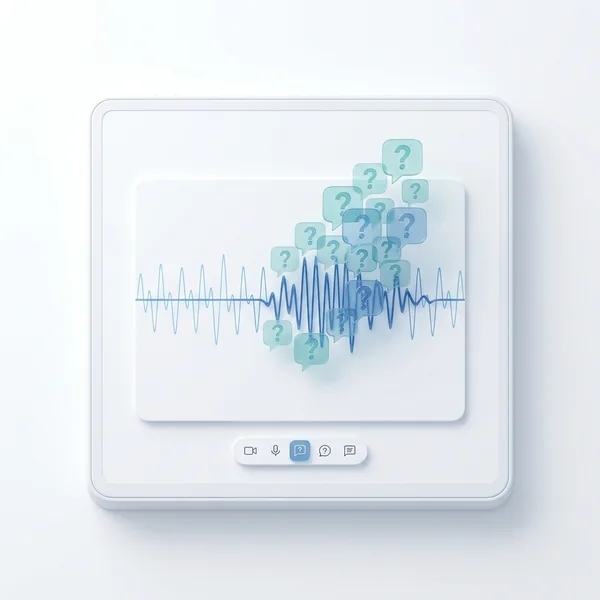
As the list of questions runs, the software captures each shift.

The algorithm then weighs every answer against that baseline.
At the end the examiner interprets the charts and signs off the result.
Lie detector test services for Dublin clients
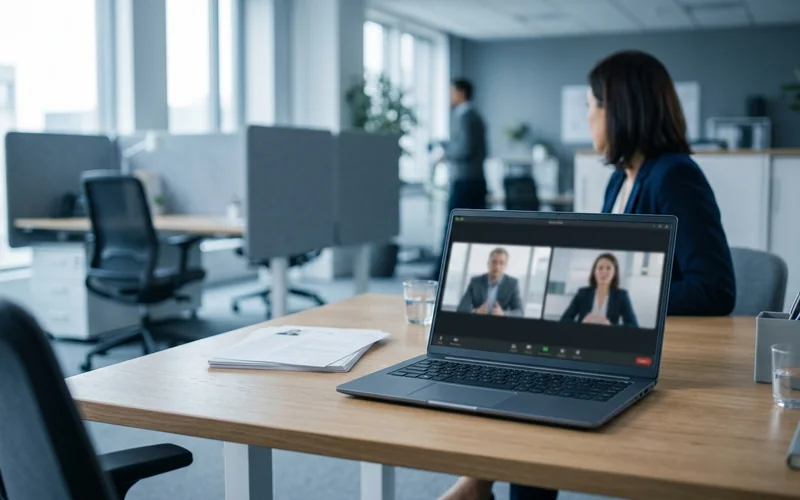
A video session with an examiner, topics agreed in advance and a verdict at the close.
from 205 USDTLearn more →
Formats for employers and for private cases, each with its own timing.
from 205 USDTLearn more →
What we cover, how long a session lasts and what the report contains.
Learn more →
Encryption, restricted access and deletion of the materials on request.
Learn more →Online lie detector test in Dublin: process, price and limits
Ireland has only a handful of working examiners, and most of them operate out of the capital. That shortage shows up in two ways: diaries that fill weeks ahead, and travel charges for anyone outside the Pale — providers commonly quote a higher fee for Cork, Limerick or Galway purely because the examiner has to drive there.
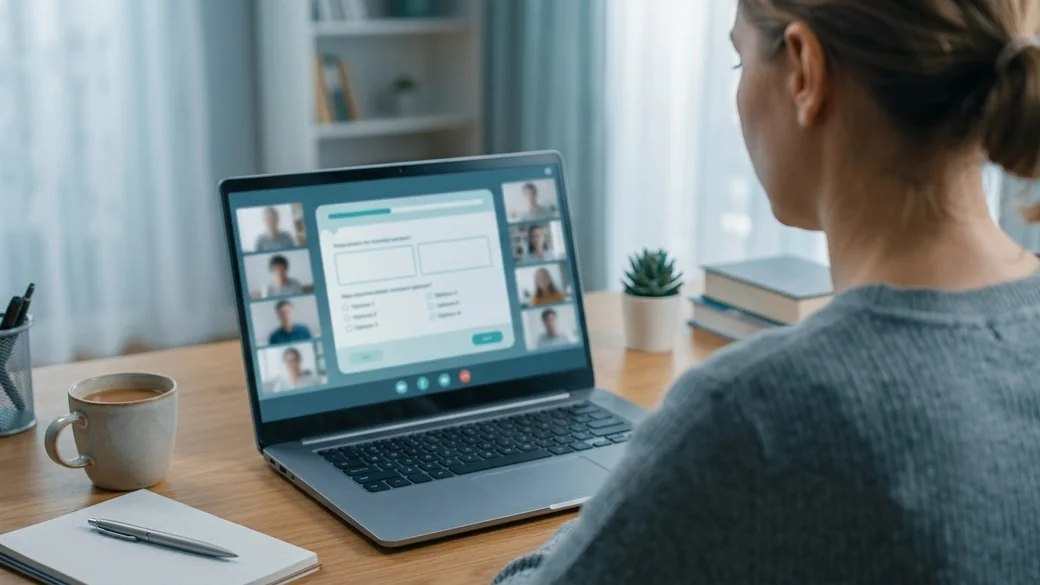
Remote testing sidesteps both. A lie detector test in Dublin takes only days to arrange, taken from your own kitchen table, and it costs the same whether you are in Dublin 2 or in a village in Wicklow.
Who books a lie detector test in Dublin
Overall, the tech and services sector drives much of the lie detector test demand in Dublin. Teams here handle customer data, source code and supplier contracts, often with staff spread across several countries, so an internal leak is rarely something a face-to-face meeting can resolve.
Next come recruiters and hospitality, usually after a till discrepancy, missing stock or conflicting accounts of the same shift. And private clients are constant: doubts inside a relationship, disagreements over shared money, or the need to answer an accusation that cannot be proved.
How a lie detector test in Dublin runs
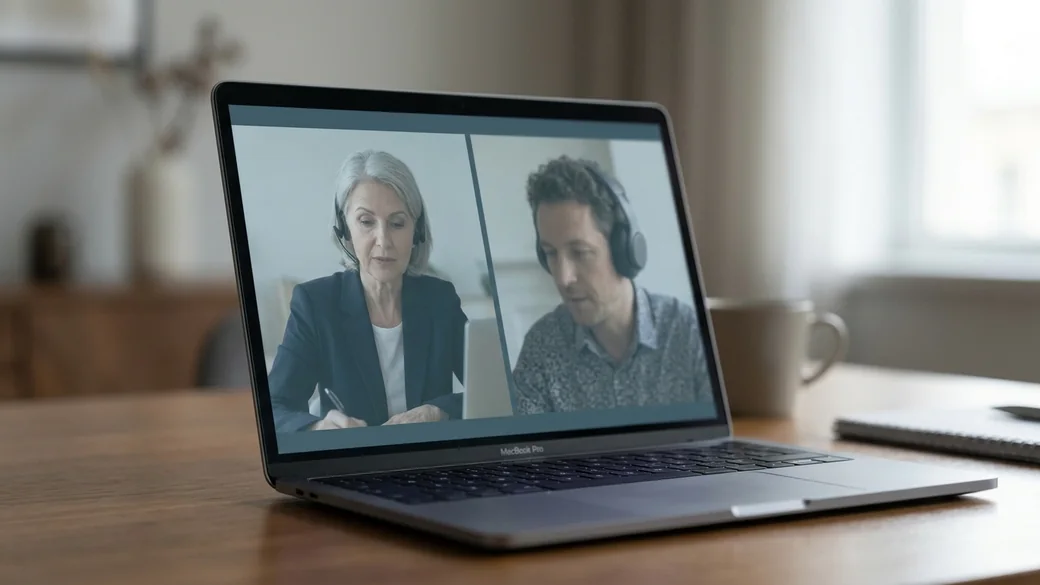
To begin with, a free call where you explain what happened. If the facts translate into closed questions, the examiner drafts the topics and goes through them with you. Only then is a slot booked, with evening times available when work gets in the way.
Then, on the day, you need a stable connection, a camera and a quiet space nobody walks into. The pre-test interview takes twenty to forty minutes, because we read out each question first.
What a polygraph costs in Dublin compared with remote
Generally, Irish providers quote roughly €350 to €600 for a standard single-subject test in the capital, and rates of €525 to €595 come up often. Outside Dublin the same test is often close to €700 because the examiner travels, and an expert report for legal use is charged on top of that.
The online format is 205 USDT for any country, including the consultation, the question design, the session and the verbal conclusion. Running the session in a foreign language adds 95 USDT, and the fee for a whole case is quoted free on the first call. Our breakdown of polygraph costs goes through each item.
Workplace checks for Dublin employers
In an internal review the order of events matters as much as the method. First we agree which specific episodes we examine, with dates and amounts. Then the people involved hear about it, and we collect their written consent separately from any discussion about contracts or pay.
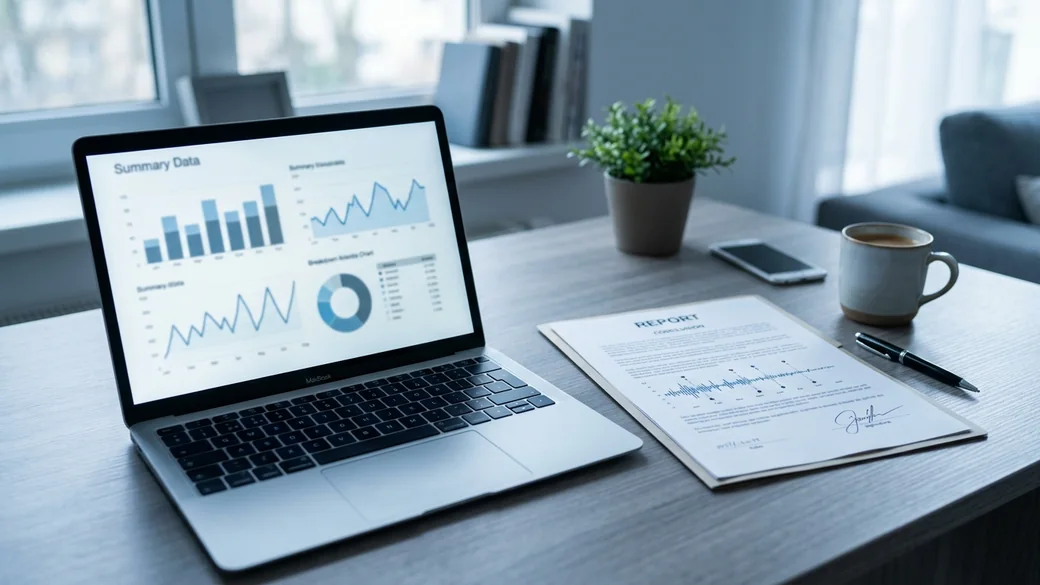
We stagger the appointments so nobody compares questions with colleagues. Afterwards the company receives a summary for each participant and, if requested, a fuller report. Raw recordings never go to anyone outside the case.
Relationship questions in Dublin: the honest scope
As a rule, couples reach out after months of the same argument. The lie detector does not apportion blame — it deals in checkable facts such as a particular meeting, a deleted message or a payment on a specific date.
Naturally, feelings stay outside the question list, since they give no readable response. In other words, the test establishes what happened rather than what someone feels now. Even so, a clear answer on the facts is usually what finally makes a decision possible.
How we write the question list for a Dublin case
In practice, a usable question takes yes or no, targets a single fact and carries no judgement. "Did you share that client file outside the company in May?" works. "Are you loyal to the team?" measures nothing.
During the pre-test interview we read the whole list aloud, cut out double negatives and fix the dates. Because of that the participant knows precisely what is coming, which lowers nerves and leaves a cleaner recording.
Cases we decline in Dublin
We refuse some enquiries on the first call and we say why. That list covers minors without their guardians’ permission, people under the influence of substances, and anyone in an acute crisis or recently recovered from a cardiac event.
Nor do we take cases with no facts behind them. "Will she stay?" has no physiological answer. Reframed as dated episodes, though, most situations turn out to be perfectly testable.
Legal weight of the report in Dublin
To be clear: a polygraph result is not standalone evidence in Irish courts, and judges weigh the full case file rather than any single document.
That said, the report has real practical use. It underpins an internal company decision, helps a solicitor test a client’s account before settling on an approach, and closes a personal question. Voluntary participation stays non-negotiable throughout.
Getting ready for the session in Dublin
Nothing needs rehearsing, though three habits affect the reading. Sleep your usual hours, since tiredness blurs responses. Skip alcohol the day before. And eat something first, because hunger adds noise to the measurement.
As for medication, prescribed drugs continue unchanged; just mention it at the start. The same goes for blood pressure or any chronic condition, which we factor into the pace. Everything else is in the guide on preparing for an online polygraph.
What you receive after a lie detector test in Dublin
As the call ends you hear the verbal conclusion topic by topic, including where responses point to concealment. The fee covers it and settles most private matters on its own.
Meanwhile, the written document adds the methodology, the reviewed questions and conclusions phrased without ambiguity. If a block returns contradictory data, we record that plainly instead of forcing a tidy answer.
Confidentiality for Dublin clients
To begin with, the enquiry itself stays confidential. We contact no relatives, no employer and no third party, and all materials stay in a file with restricted access.
Besides that, with business clients we set out in writing who receives the result and in what form. If you would prefer the files deleted after delivery, that costs nothing.
Also useful are online lie detector accuracy, the piece on the polygraph in court and the overview of where the polygraph is accepted.