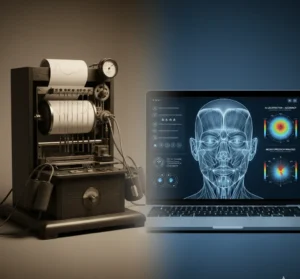
"Can you really detect a lie through a screen?" — it is a question that comes up in almost every conversation about the online polygraph. The answer calls for an honest analysis: without hype and without cynicism. This article lays out the real figures, the scientific publications, the factors that affect reliability, and the conditions under which online lie detector accuracy is at its highest.
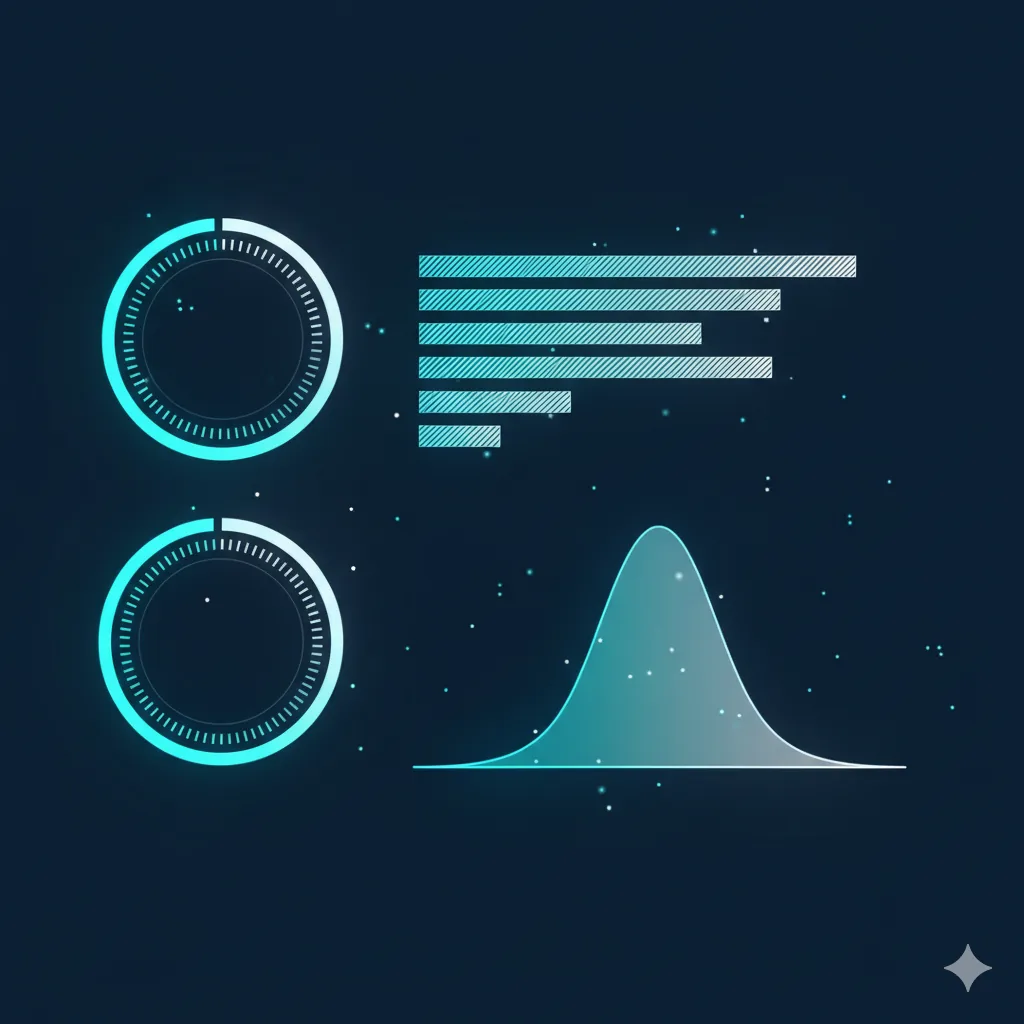
What "accuracy" means for a lie detector
In psychological diagnostics, accuracy is measured by two indicators:
- Sensitivity — the ability to correctly detect deception (not to miss a liar).
- Specificity — the ability not to accuse a person who is telling the truth (not to produce a false positive).
An ideal system would score 100% on both parameters. In practice, any system operates in the 80–95% range. The specialist's job is to minimize both types of error.
For comparison: the accuracy of medical screening tests (mammography, PCR) also falls in the 85–95% range. No form of diagnostics is 100%. But that does not mean it has no value.
What science says about online lie detector accuracy
| Method | Average accuracy | Source / conditions |
|---|---|---|
| Classic polygraph (CQT) | 80–90% | National Academies of Sciences, 2003 (updated 2022) |
| Micro-expression analysis (FACS) | 84–91% | Ekman et al., laboratory conditions |
| Multichannel online analysis (video + voice + behavior) | 85–93% | Universities of Haifa and Michigan, 2019–2024 |
| Voice-only analysis | 68–75% | Limited method, auxiliary channel |
Important: laboratory figures and real-world cases can differ — in reality, accuracy is affected by contextual factors.
Factors that increase accuracy
- The examiner's qualifications. A well-designed question set, attention to individual traits, and precise interpretation. TestStimul works with certified specialists experienced in psychological diagnostics.
- Video image quality. A 1080p+ camera and even lighting on the face.
- A calm environment. Quiet, with no one else present — which is why the from-home format often produces better results.
- Specific questions. Clear, unambiguous questions elicit differentiated reactions.
- A normal state in the participant. No alcohol, medication, or intense stress.
Factors that reduce accuracy
- Poor connection or image quality.
- Taking tranquilizers, stimulants, or alcohol before the test.
- Certain mental disorders (psychopathy, dissociative states).
- Excessive anxiety in an innocent person (the innocent-victim effect).
- Ambiguous or leading questions.
Important to understand: polygraph results should always be considered together with other evidence. No conscientious specialist ever gives a "100% guarantee" — that is a sign of unprofessionalism.
False positives and false negatives
There are two types of error in any form of diagnostics:
| Type of error | What it means | Risk |
|---|---|---|
| False positive | The system "suspects" a person who is telling the truth | An unjust accusation |
| False negative | The system "misses" the deception | The guilty party goes unnoticed |
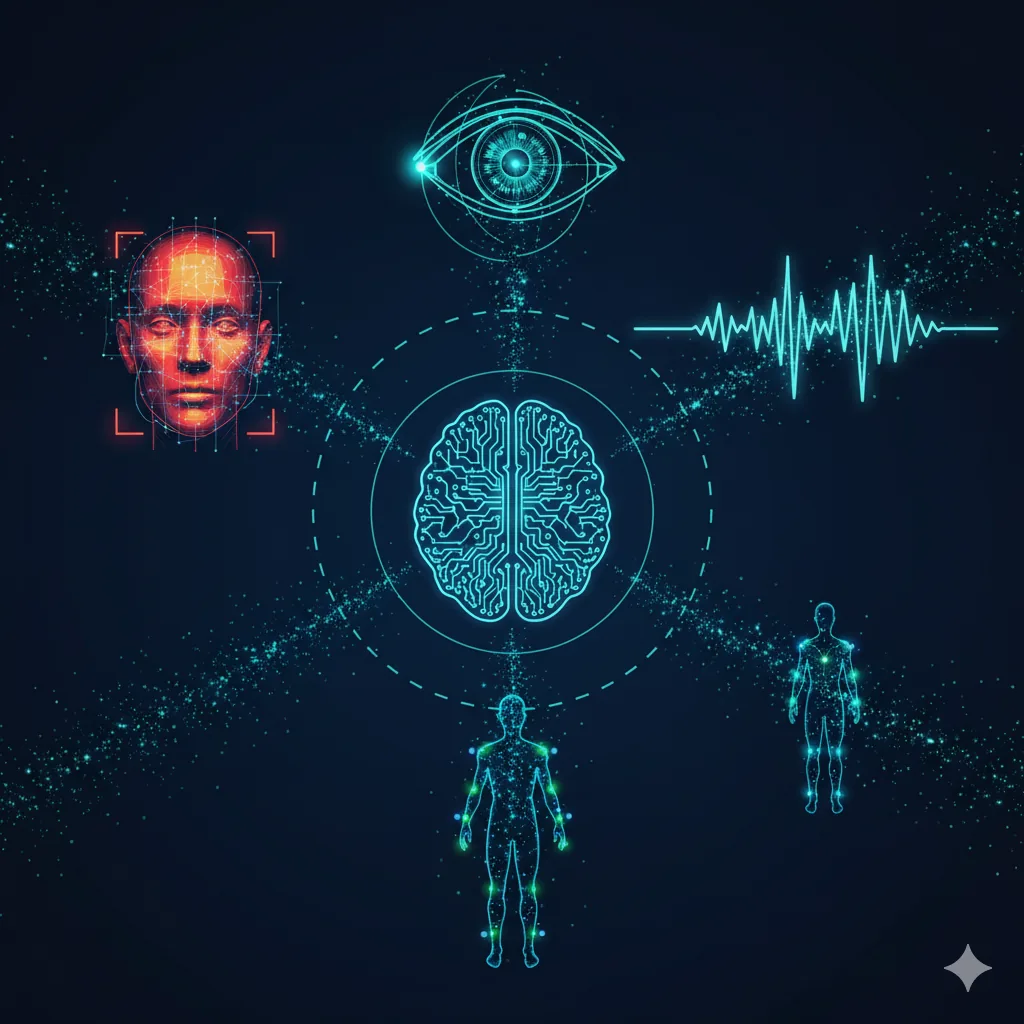
The multichannel analysis used by StimulTest technology lowers the likelihood of both types of error by analyzing micro-expressions, voice, and behavior simultaneously.
How TestStimul ensures maximum accuracy
- A detailed briefing. Careful preparation of the question set, tailored to the specifics of the situation.
- A technical check. Verifying video and audio quality before the session begins.
- Multichannel analysis. Simultaneous assessment across 4 channels.
- Independent validation. In difficult cases, the results are reviewed by a second specialist.
- A detailed report. Not a plain "yes/no," but a reasoned document that explains the conclusions.
Tip: To ensure the highest accuracy, get a good night's sleep before the session, avoid alcohol and medication, and make sure you have quality lighting and quiet.
For a detailed comparison of online and classic polygraph accuracy, see the article "Online Lie Detector vs Classic Polygraph". We debunk the common stereotypes in "Top 8 Online Polygraph Myths".
If you are curious about how live analysis boosts accuracy in real time, read "Live Lie Detector: Real-Time Verification".
Learn more about the online polygraph and the available testing formats on the TestStimul homepage.
Wondering how reliable an online lie detector really is? Get a professional check with an evidence-based report. Certified examiner, full confidentiality, online and in person. Leave a request — we reply within 15 minutes.
Latest articles